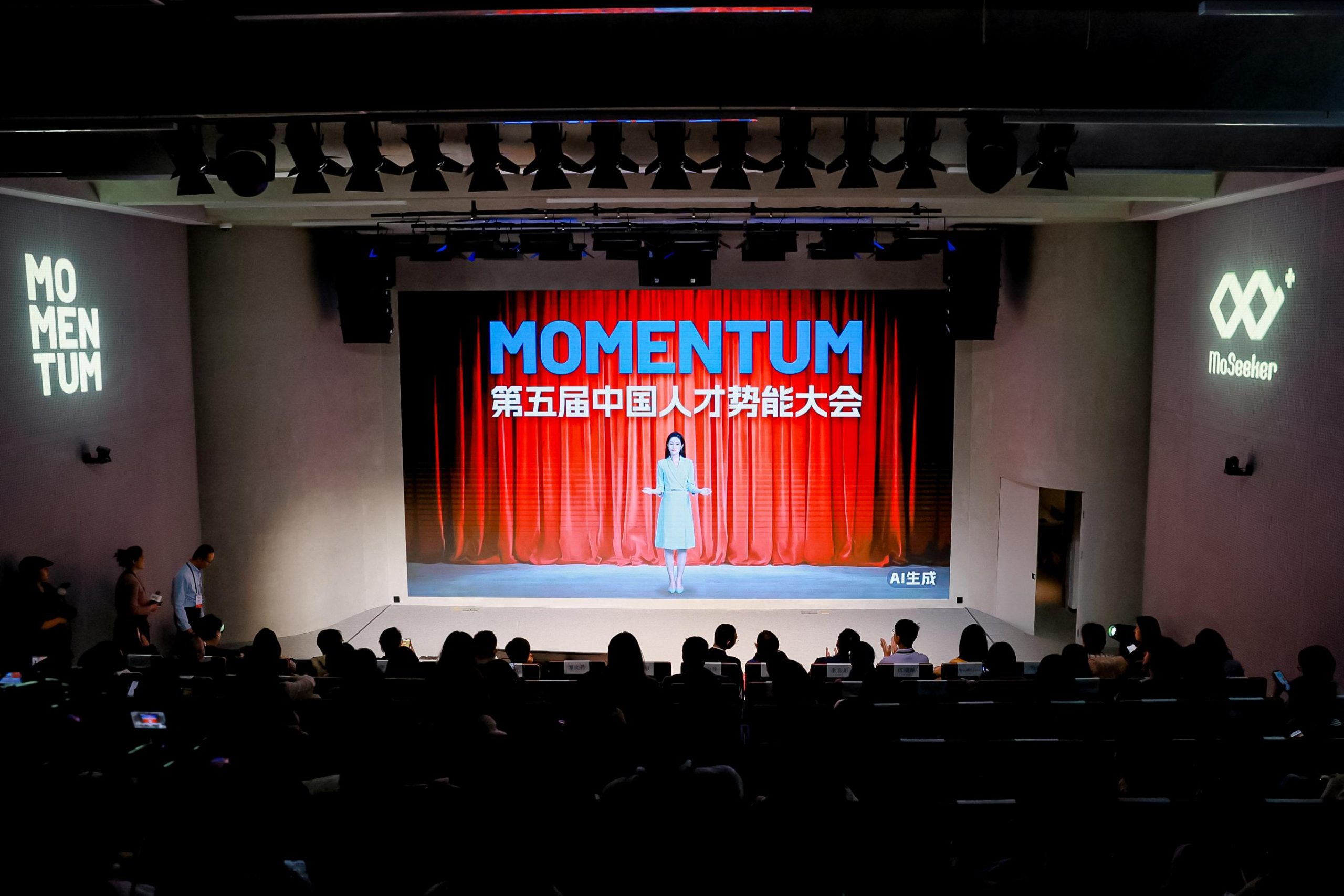
On December 19th, the 5th MOMENTUM China Talent Potential Conference was held at Zikawei Library in Shanghai. Experts from business schools and universities both domestic and overseas, as well as corporate executives and HR leaders, gathered to discuss the current state, future trends, and paths of transformation for talent potential in China from diverse perspectives.
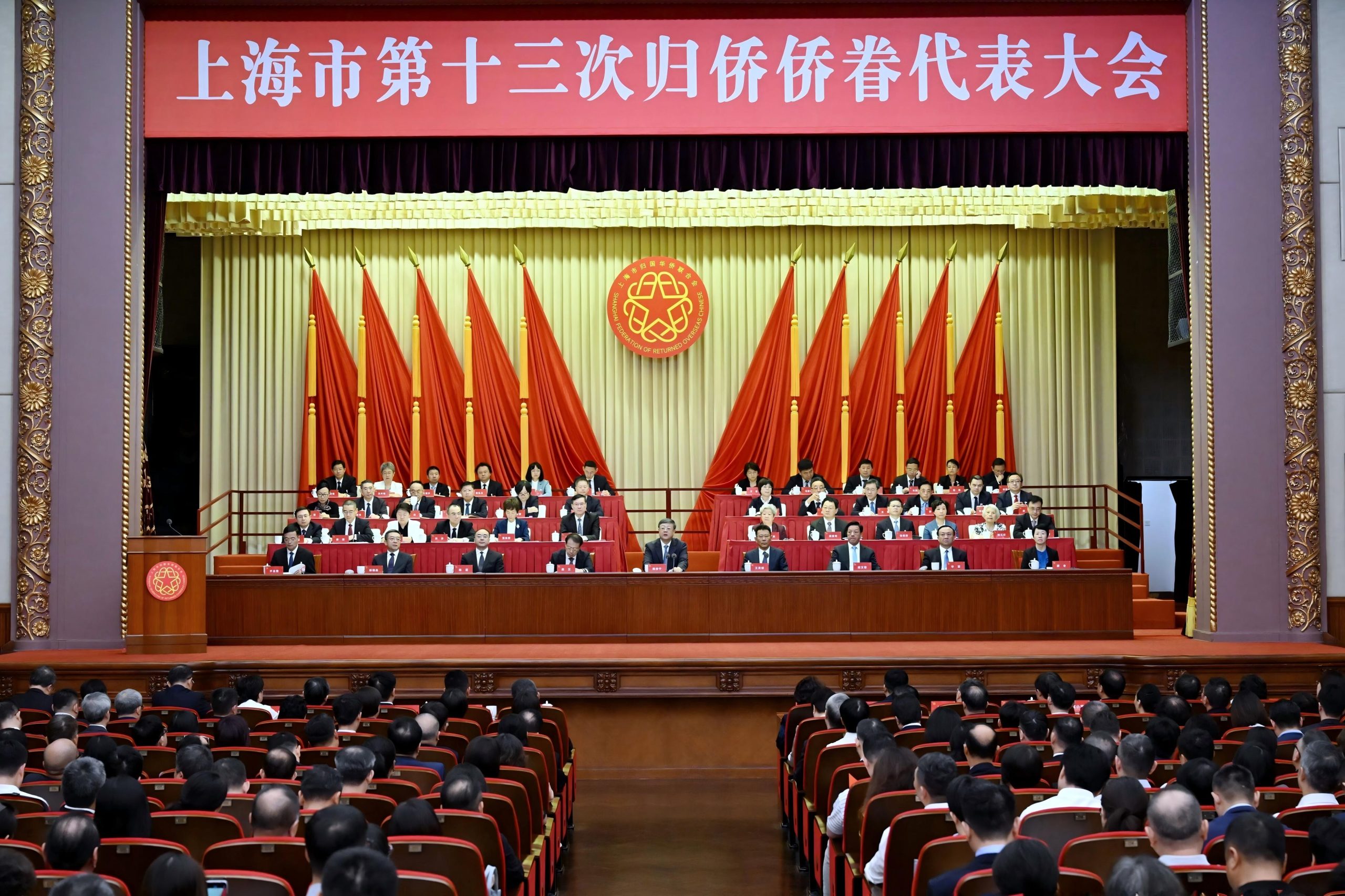
A representative from the Xuhui District Federation of Overseas Chinese stressed the importance of leveraging the talent dividend in the future, optimizing recruitment and talent development mechanisms, and building a highly skilled and professional workforce.
Wang Xiangdao, founder and CEO of MoSeeker, analyzed global economic dependence on China’s economy and trends such as changes in the number of Chinese university graduates. He emphasized that both the quantity and quality of human resources are vital. MoSeeker’s strategic evolution—from “mobile first” to “AI first”—has kept pace with the times. He also shared six major trends in China’s HR technology by 2026: fully automated recruitment processes, the gradual implementation of intelligent recruitment agents, AI-enabled identification of true talent, compliance becoming standard, further integration of recruitment digital platforms, and data-driven recruitment decisions becoming routine.
Ma Nuo, VP of Human Resources for Goodyear Asia Pacific, shared her experiences in self-empowerment during change management. She explained how, during the company’s globalization efforts, they prioritize expanding employees’ personal horizons and enhancing their capabilities, embracing change with a positive mindset to unlock future opportunities.
Professor Li Xitong from HEC Paris approached the topic from an academic perspective, introducing the impact of various AI applications in the corporate world. She masterfully combined cutting-edge theory with industry practice, making complex concepts accessible and thought-provoking.
Yang Tao, Senior Expert in Organization and Talent Development at Ant Group, explored the “dividends of the AI era,” discussing the forces of transformation and renewal. He noted that the role of HR is constantly evolving amid the AI wave, with organizations and talent strategies actively exploring and driving AI transformation to empower more work.
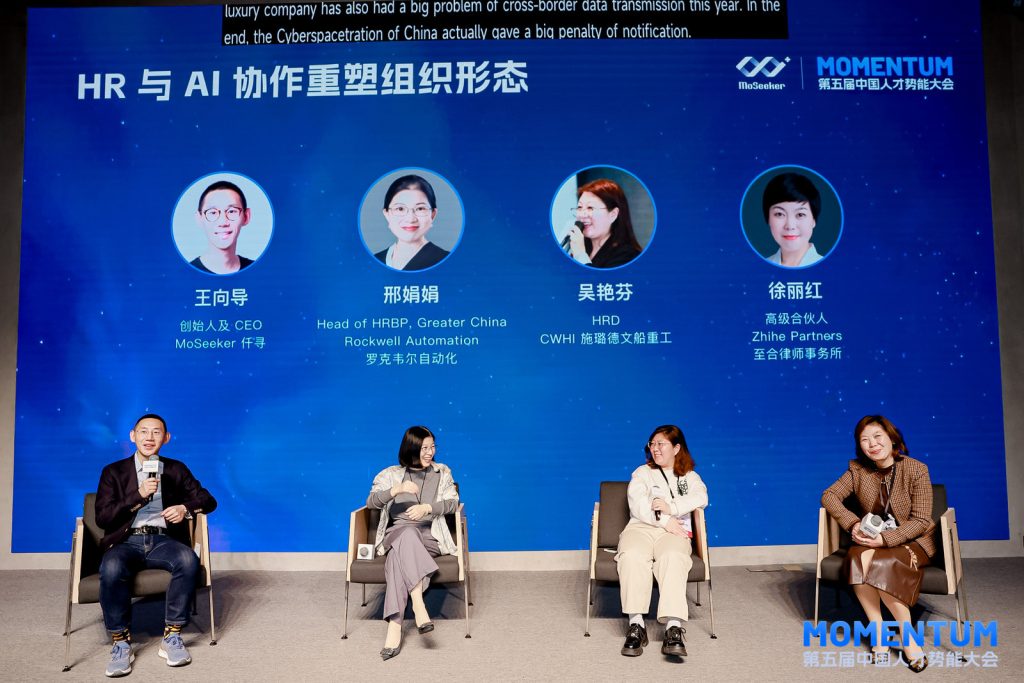
Three roundtable discussions were held concurrently during the conference. The first roundtable focused on building recruitment management systems tailored to China’s unique recruitment ecosystem. Experts engaged in in-depth discussions on various stages of recruitment, such as job and resume matching, resume screening, and large-scale hiring, offering unique insights into how these processes are carried out in China. The second session explored how the collaboration between HR and AI is reshaping organizational forms, addressing AI’s contributions, opportunities, and challenges in organizational structure, talent empowerment, performance management, and cost reduction and efficiency improvement. The third roundtable centered on strategies for creating a differentiated employer brand.
The conference also featured the presentation of several awards, including China Best Digital Recruiting Momentum Award, China Best AI Recruiting Momentum Award, China Best Employer Branding Momentum Award, Best HR Management Award, Best HR Manager Award, and Best HR Team Award, honoring individuals, teams, and enterprises for their outstanding achievements and contributions in the field of recruitment.
It is reported that the conference not only provided a platform for HR professionals across industries to exchange ideas but also offered valuable perspectives and direction for building and developing talent potential in the future.
By Wang Yongjuan
Editor Ning Pingying
Original Report